A recent article in The Economist expands on the fascinating presentation Larry Summers gave last summer which expanded on an idea that’s been floating around the economic blogosphere a while.
In the old view of the future, productivity gains came through the automation of low paying jobs. Today one person digs ditches and another writes programs. Tomorrow two people write programs, including programs that help machinery dig ditches. Slowly the population moves up-skill in a virtuous cycle. As sectors of the economy are eliminated the people who would have worked in those sectors move up into higher paying jobs which fuel the next wave of innovation.
In reality there’s a major flaw in this plan. It turns out the easiest jobs to automate are not the low-paying, unskilled jobs, but the medium-paying moderately-skilled jobs. It’s harder to program a machine to clean a hotel room or understand a complicated coffee request than it is to program a computer to do a decent job with your taxes. What we are eliminating first are not manual jobs but clerical jobs.
This changes everything, according to the emerging theory. The hollowing out of the job market “middle” pushes the class formerly known as the middle class towards the bottom. There is competition to clean rooms, walk dogs, run car rental offices, whatever. That glut pushes down the labor cost at the bottom. And the fact that labor costs at the bottom stay stable or decline discourages innovation. If you can pay someone $8/hr to clean hotel rooms, why would you ever want to automate that cleanup? There just isn’t enough of a benefit.
This leads to a vicious cycle, because the creation of jobs at the top is predicated on building tools to enhance the productivity at the bottom. But hours at the bottom are cheap, so instead of hiring hundreds of people to build Rosie the Robot we hire five people and build a Roomba.
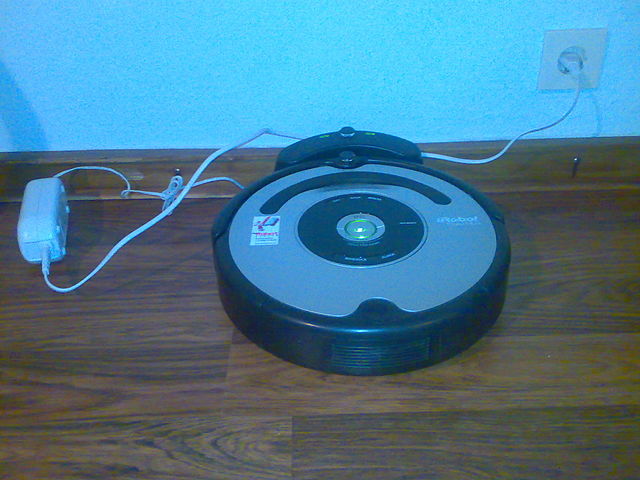
This is turn pushes more people to the bottom, keeps labor cheap and innovation unattractive. And so on.
There’s huge societal implications to this, obviously. In short, if we wish to continue to make productivity gains, we may need to create incentives for people *not* to work. We may need to prepare for a society where a good third of the population is permanently unemployed (but financially supported). How does a society which associates worth with work deal with that shift? In a Tea Party world, is this shift even possible?
As far as education, it’s always risky taking macro anaylses and applying them to individual market segments, but does anyone else see a connection here? For years we have been told that education needs to be automated because it is so expensive. And we’re told that education does not innovate because it’s too free of market pressure.
But that analysis doesn’t really make sense. The University of Phoenix would do anything it could short of a felony to squeeze more money out of its operation. It’s as market-driven as you get. But did they go to MOOCs? To self-paced computer-led instruction? Quite the opposite. They pay an army of adjuncts anywhere from $1,000 to $1,300 per class per quarter to teach it old style.
What would happen if that labor was expensive? If it cost $10,000 per adjunct per class? Well, you’d see a massive investment in educational technology that would dwarf the piddling amounts we have covered so breathlessly over the past few years.
Of course, the title of this post is a bit misleading — it’s not primarily that we pay adjuncts crap that stifles innovation. It’s that we *can* pay adjuncts crap. I’m not sure what the remedies are. But if we’re wondering why education is so resistant to technological change maybe it’s time to look at how our use of cheap labor enables that resistance?
This is very much a speculative post, incidentally. So if you need to tear it to shreds, go ahead — I’m still working out the validity of the argument myself.


 Hapgood
Leave a comment